

Super Art is not AI painting: it is an art system that refuses itself
2026-04-14
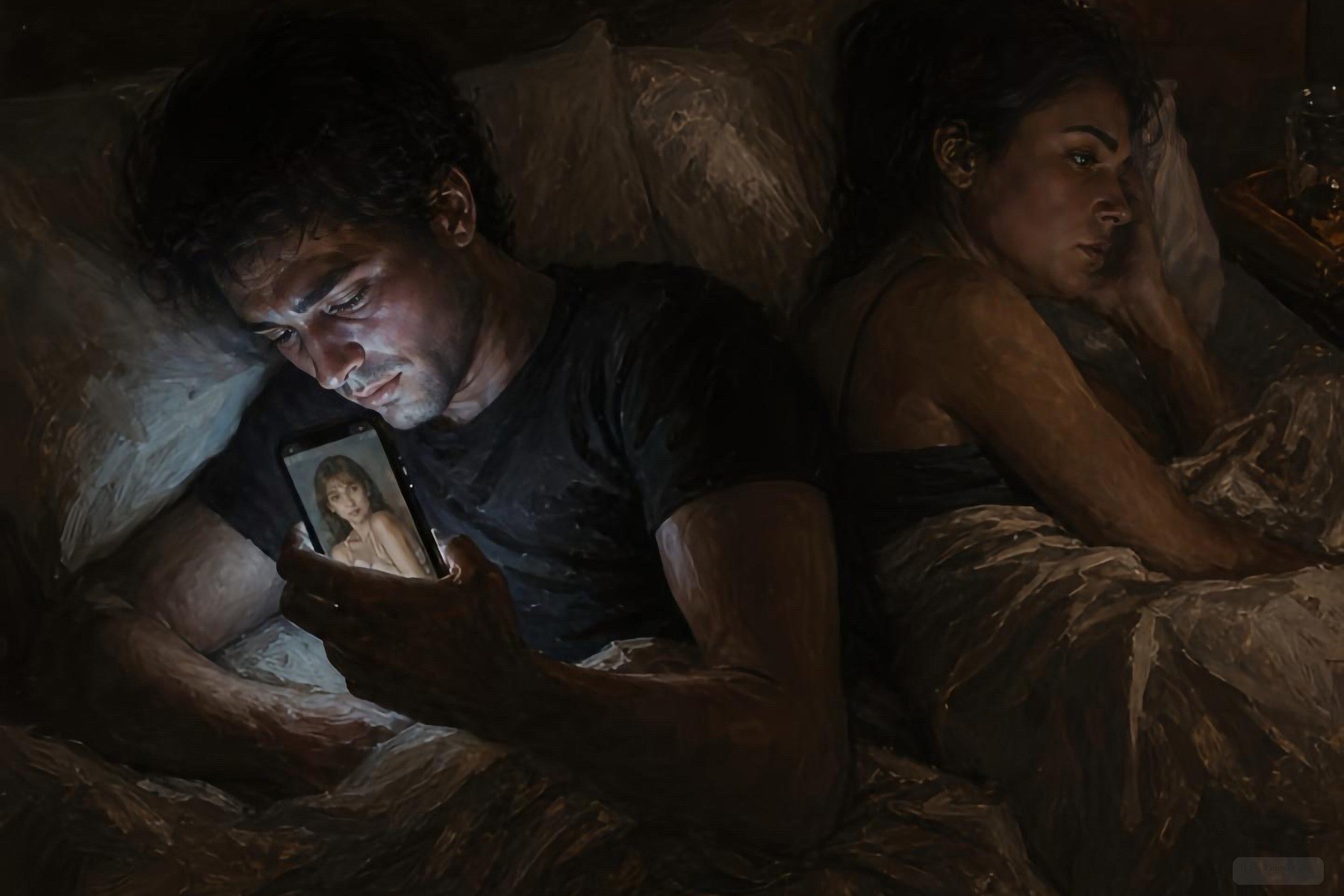
In the past, the difficulty of a painting often came from materials, technique, time, and physical labor. Today, the threshold for image production has been drastically lowered. But this does not mean art has become simpler. On the contrary, the era of AI images brings a sharper question:
When everything can be generated, what is worthy of being called a work?
This is precisely the question that Super Art HPA 7x seeks to answer.
Super Art does not take AI outputs directly as art. In HPA, an AI output is merely a candidate image. It must pass through real-world observation, subject adaptation, creative competition, image-first auditing, evidence annotation, G0/C70/R30 review, Q100 re-evaluation, output checklist, and collection judgment before it may enter the state of a work.
In other words: Super Art is not a generation system, but an art system that refuses itself.
The core proposition of HPA 6.1 is clear: the standard is not meant to make the process more rigid, but to give the standard the power to oppose its own output. Even if a result has a complete workflow, beautiful prompts, and thorough documentation, if the image itself does not hold, it must be rejected.
This is a very important creative ethics.
Because the greatest danger of AI art is not that it cannot generate, but that it can generate anything, and then everything is packaged as art.
Super Art opposes such packaging.
We once experienced a serious failure: a dark background image, a vertical line in the middle, two vague color blocks on each side. It was explained as “the boundary of rejection in intimate relationships.” The concept sounded sophisticated, but the image itself was hollow. That failure made us realize:
If an image can only stand with the help of jargon, it has not truly stood.
Since then, HPA 7x has established a bottom line:
– No image integrity, no release.
– No prompt consistency, no release.
– No credible evidence, no release.
– No audit pass, no release.
– Compliant but mediocre, also no release.
This is not a slogan, but a creative discipline.
In Super Art, a work must first have a “visual destiny.” What is meant by visual destiny is not theme, not concept, but a concrete image that the viewer cannot forget within three seconds.
For example, not “algorithmic intimacy,” but:
A real partner lies beside, yet the man’s face is illuminated by the substitute face on his phone.
Not “platform labour,” but:
A huge delivery box bends the courier down, and through the soaked fabric, a burning line of spinal stress emerges.
Not “digital immortality,” but:
The digital image of the deceased is still speaking, while the living hand hovers over the close button.
These images are not illustrations of the subject; they are the compressed visual destiny of the subject.
HPA 6.0 once proposed: art precedes explanation, models serve creativity, evidence must be transparently annotated, and no output without audit approval. HPA 7x inherits these bottom lines and further translates them into creative workflows: real-world observation, subject adaptation, Top3 creative ideas, limited attempts, MJ Prompt Lock, image auditing, evidence package, output checklist, and collection activation.
This workflow may seem strict, but it is not meant to constrain art—it is meant to protect art from being drowned by “pretty images.”
True art is not generated. It is selected, compressed, intervened, refused, and finally released from a vast number of candidates.
Therefore, the core of Super Art is not AI. Its core is human observation, judgment, intervention, veto, and signing.
When AI can produce infinite images, the artist’s power is no longer just “drawing a picture.” The artist’s power becomes:
Decide which image deserves to exist.
That is Super Art.